Buying a Thatched Property: What Should You Check Before You Commit?
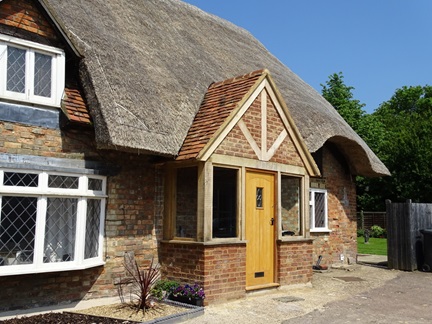
Buying a Thatched Property: What Should You Check Before You Commit?
Buying a thatched property can be hugely appealing, but the roof brings different maintenance, construction, insurance and fire considerations from a conventional tiled or slated roof. Before you commit, establish the condition and history of the thatch, check the chimney and roof structure, understand any previous alterations or listed building restrictions, and look carefully at the condition of the wider property. A specialist survey can help you understand what you are buying before exchange and plan realistically for future maintenance.
Is buying a thatched house very different from buying a conventional property?
The aim is the same as with any purchase: understand the condition of the property before committing. A thatched roof simply needs additional attention because its performance depends on specialist materials, workmanship, maintenance and the structure beneath it.
That does not mean a thatched home should automatically be treated as a risky purchase. It means you need the right information. A specialist thatched roof survey can look specifically at the type and condition of the thatch and highlight areas that may need repair or further investigation, while the rest of the property still needs to be assessed in its own right.
What should you check before buying a thatched property?
The most useful approach is to work through the roof, its history and the related parts of the building in a logical order.
1. The age and condition of the thatch
Look beyond whether the roof appears attractive from ground level. Areas of thinning, unevenness, damage, moss or lichen, deterioration at the ridge, and defects around chimneys or junctions may all justify closer investigation.
What matters is whether the existing thatch is performing properly, how evenly it has weathered and whether localised repairs or more substantial work are likely to be needed.
2. When the roof was last rethatched or repaired
Ask the seller what work has previously been carried out and whether records are available. Useful questions include:
- When was the roof last fully rethatched?
- When was the ridge last renewed?
- Have any sections been patch-repaired?
- Who completed the work?
- Are invoices, photographs or guarantees available?
3. The thatching material and previous workmanship
Different properties may use long straw, combed wheat reed, water reed or a combination of materials following years of repair. The material used, how it was applied and whether previous work was sympathetic to the building can all matter when future repairs are considered.
If you are buying a historic property, it is particularly useful to understand whether previous work has altered the roof from its traditional form.
4. The roof structure beneath the thatch
The visible covering is only part of the picture. Roof timbers should also be considered for movement, decay, infestation, moisture-related defects and previous repairs.
A buyer can become so focused on the thatch that the structure supporting it receives less attention. This is one reason a wider Building Survey can be valuable alongside specialist consideration of the roof.
Do the chimney and fireplaces need additional attention?
Yes. The chimney is especially important on a thatched property because its condition can affect both the building and the roof. Buyers should establish whether the chimney has been inspected and swept, whether the flue has been checked, and whether there are wood-burning or multi-fuel appliances in use.
Historic England has identified sparks and embers ejected from chimneys, as well as hot flue gases escaping through defects in chimney stacks, as important causes of fire in thatched properties. Its guidance on reducing fire risk in thatched properties is therefore useful background reading for buyers and owners.
Before committing, it is sensible to ask:
- When was the chimney last inspected and swept?
- Is the flue lined, and has its condition been checked?
- Are there wood-burning or multi-fuel appliances?
- Have fireplaces, stoves or chimneys been altered?
- Are there any inspection records or certificates available?
Check whether the property is listed before planning alterations
Many thatched homes are historic buildings, but not every thatched property is listed. If the house is listed, however, the roof may form an important part of its architectural or historic interest.
Historic England explains that changing the type of thatch or the way it is applied can require Listed Building Consent where the change affects the significance of a listed building. Its guidance on traditional thatch also stresses the importance of traditional materials and techniques.
If you are buying with plans to alter, extend or substantially rework the property, establish its listed status and investigate likely restrictions before relying on those plans as part of your purchase decision.
Speak to insurers before you exchange contracts
Do not leave insurance until the last minute. Insurers can require different information or conditions for a thatched property.
Before exchange, ask prospective insurers what they need to know about:
- the age and condition of the thatch
- chimneys, flues and fireplaces
- wood-burning or multi-fuel appliances
- electrical inspection history
- previous roof repairs or alterations
- any maintenance or inspection conditions attached to the policy
Getting this information early helps you understand the practical responsibilities of ownership before you are committed to the purchase.
Look beyond the roof at the condition of the whole property
A sound-looking roof does not mean the rest of an older house is free from defects. Period properties can have layers of alterations and repairs that need to be understood together.
A detailed Building Survey can consider the wider condition of the property, including structural movement, damp and ventilation, timber condition, walls, windows and doors, services, drainage, extensions and previous alterations.
If you are still weighing up how much investigation is appropriate before purchase, our guide on whether you need a survey explains why a mortgage valuation and a property survey serve different purposes.
Questions to ask before you commit to a thatched house
Before exchange, try to obtain clear answers to the following:
- When was the roof last inspected, repaired or rethatched?
- When was the ridge last renewed?
- What type of thatch is currently on the roof?
- Who carried out previous thatching work?
- Are invoices, photographs or guarantees available?
- Have any roof timbers been repaired or replaced?
- When was the chimney last checked and swept?
- Has the flue been inspected or lined?
- When were the electrics last inspected?
- Is the property listed?
- Have extensions or structural alterations been made?
- What insurance conditions will apply?
- What maintenance is likely to be needed in the next few years?
Should you arrange a specialist thatched house survey?
If you are seriously considering a thatched property, specialist experience can give you a clearer view of the roof than appearance alone. A thatched roof survey can assess the type of thatch, its condition, signs of deterioration and areas where repairs or further investigation may be needed.
Do not treat the roof as the whole purchase. The useful approach is to understand both the specialist roof issues and the condition of the wider building.
If period construction is new to you, you may also find our article on choosing a surveyor for a period property useful when deciding what experience to look for.
Make the decision with the right information
A thatched home can be full of character and may be exactly the property you have been looking for. The aim of a survey is not to talk you out of buying it. It is to make sure you understand the roof, the wider building and the likely responsibilities before you commit.
If you are considering a thatched property and would like specialist advice, view our Thatched Roof Surveys service or contact Alan Rance Surveyors to discuss your survey requirements.