Building Survey vs Home Buyers Survey: Which Is Best for an Older Property?
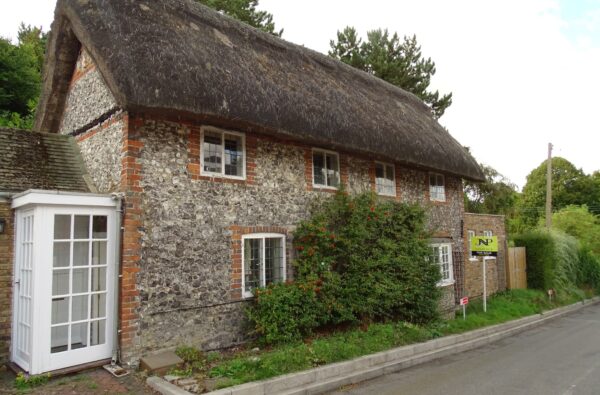
For an older, period, extended, altered or unusual home, a Building Survey is usually the more appropriate choice because it provides greater detail about defects, their likely causes and the repairs or further investigations that may be needed. A Home Buyers Survey can still be suitable for a conventional property that appears to be in reasonable condition, where the buyer wants a clear overview rather than the deeper assessment needed for a more complex building.
Buying an older home can mean taking on character, craftsmanship and features that are difficult to find in a modern property. It can also mean dealing with decades, or sometimes centuries, of repairs, alterations and different construction methods. The survey you choose therefore matters.
The right starting point is to match the survey to the property, not simply choose the cheapest report. Alan Rance Surveyors provides both Building Surveys and Home Buyers Surveys, with the appropriate option depending on the age, construction, condition and complexity of the home.
What is the difference between a Building Survey and a Home Buyers Survey?
Both surveys are designed to help you understand the condition of a property before you commit to buying it. The main difference is the level of detail and the type of property each report is best suited to.
A Home Buyers Survey provides a clear, accessible overview of visible and accessible defects. It is generally best suited to conventional houses and flats that appear to be in reasonable condition. A Building Survey goes further, making it the stronger option where the property is older, more complex or carries a greater risk of significant repair costs.
Whichever survey you choose, it is a visual inspection of areas that are safely accessible at the time of the visit. It does not normally involve opening up the building fabric or specialist testing unless this has been separately agreed. Where something needs a closer specialist assessment, the report can recommend further investigation.
| Comparison | Home Buyers Survey | Building Survey |
|---|---|---|
| Property type | Conventional houses and flats in reasonable condition | Older, period, listed, altered, extended, unusual or higher-risk properties |
| Level of detail | Clear overview of visible condition and key defects | More detailed assessment of condition, defects, likely causes and repair considerations |
| Report depth | Concise and easy to follow | More comprehensive, with greater technical and repair detail |
| Older properties | May be suitable in some cases, depending on age, construction and condition | Usually the better choice for older or more complex homes |
| Advice | Highlights defects and areas that may need attention or further investigation | Provides deeper advice on defects, repairs, maintenance and further investigation |
| Buyer confidence | Gives a clear condition overview for a straightforward property before exchange | Gives a fuller picture of defects, potential liabilities and areas that may require further investigation |
Why a Building Survey is usually better for an older property
Older buildings need to be understood in the context of how and when they were constructed. Materials, ventilation, moisture movement and previous repairs can behave very differently from those in a modern home. A defect that looks straightforward can sometimes be connected to inappropriate alterations or repairs carried out many years earlier.
With an older home, the important question is often not simply whether a defect exists, but why it has occurred and whether previous repairs are compatible with the way the building was originally constructed. That context can make a significant difference when deciding what needs attention now and what may become a future maintenance cost.
Alan has more than 40 years of surveying experience and the practice specifically works with older, listed and unusual properties, including thatched and clay-lump buildings. The website also contains dedicated guidance on choosing a surveyor for a period property, reflecting the additional knowledge these buildings can require.
A Building Survey is normally the stronger choice if the property is:
- Older or of period construction
- Listed or of historic interest
- Extended, converted or substantially altered
- Built using unusual or traditional materials
- Showing visible damp, cracking, movement or roof deterioration
- Large or complex, particularly where repair and maintenance liabilities could be substantial
- Likely to require significant repairs or renovation after purchase
Common risks to consider when buying an older home
Age alone does not mean a property is defective. However, older homes often have a longer and more complicated maintenance history. A detailed survey can help separate routine age-related maintenance from issues that could materially affect your decision to buy.
Damp and moisture: Older walls and traditional materials can manage moisture differently from modern construction. Poor ventilation or unsuitable modern repairs can contribute to damp-related problems.
Roof defects: Ageing coverings, chimney defects, damaged flashing, failing gutters and deterioration to roof timbers can all create future repair costs.
Timber decay: Suspended floors, roof timbers and other concealed or less visible areas may show signs of decay, moisture damage or wood-boring insect activity.
Movement and cracking: Cracks can have many causes. The important point is understanding their location, pattern and likely significance rather than assuming every crack is structural.
Older services: A survey may identify signs that electrical installations, heating systems, drainage or other services are ageing or require further investigation. Specialist testing may be recommended where appropriate.
Poor alterations and extensions: Loft conversions, removed chimney breasts, extensions and internal alterations can create concerns if work has been poorly executed or inadequately supported.
Insulation and ventilation: Attempts to improve energy efficiency can sometimes change how an older building manages moisture and airflow.
Drainage and previous repairs: Drainage defects, historic patch repairs and inappropriate materials can all affect the condition of an older home.
When could a Home Buyers Survey still be suitable?
Not every property needs the most detailed survey available. A Home Buyers Survey can be a sensible option where the property is conventional in its construction, appears to have been reasonably maintained and there are no obvious signs that its history or condition requires a deeper investigation.
It may be appropriate if:
• The property is relatively modern and conventionally built
• It appears to be in reasonable condition
• There have been no substantial or unusual alterations
• You want a clear overview of visible defects before exchange
• You do not need the additional depth of advice associated with a Building Survey
If the survey identifies something that requires specialist investigation, that can then be considered before you proceed. For a broader explanation of why a pre-purchase survey matters, see Do I Need a Survey?
Which survey should I choose?
A useful rule is to let the complexity and risk of the property guide the level of survey.
- Choose a Building Survey if the property is older, period, listed, unusual, extended, converted, significantly altered or visibly defective.
- Choose a Building Survey if you already expect substantial repair or renovation costs and want more detailed advice before committing to the purchase.
- Choose a Home Buyers Survey if the property is conventional, relatively modern and appears to be in reasonable condition, and you mainly need a clear condition overview before exchange.
- If you are unsure, speak to Alan before booking. Tell him about the property’s age, construction, any alterations and anything that concerns you, and he can help you decide which survey is most appropriate.
Can the survey affect your buying decision?
Yes. The purpose of a pre-purchase survey is not simply to produce a list of defects. It gives you better information at a point when you can still decide what to do with it.
- Depending on the findings, you may decide to:
- Proceed with greater confidence
- Budget for repairs after completion
- Ask contractors or other specialists for further advice
- Discuss repairs with the seller
- Renegotiate the purchase price where the evidence justifies it
- Reconsider the purchase if the risks or costs are greater than you are comfortable accepting
If a report does reveal significant concerns, Alan Rance Surveyors has further guidance on what to do after a poor survey report.